Kalshi seeks approval for 24/7 Tesla and Nvidia perpetual contracts amid regulator showdown
Kalshi plans to list 24/7 Tesla and Nvidia perpetual contracts, sparking a regulator debate over whether the CFTC or SEC should oversee them.
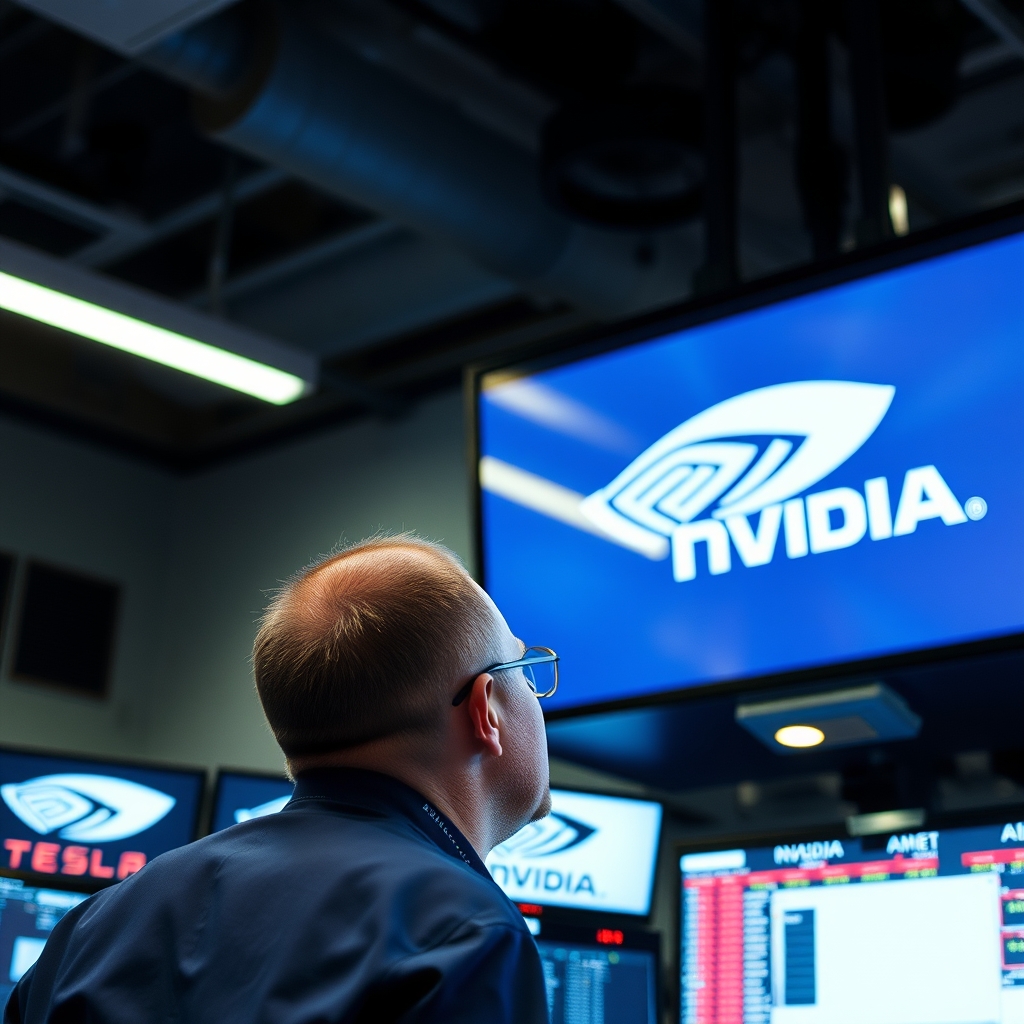
Kalshi, a U.S.‑registered prediction‑market operator, has filed to launch around 60 stock and ETF perpetual contracts, including high‑profile Tesla and Nvidia products that would trade around the clock. The move brings a crypto‑style derivative into the equities arena and has reignited a tug‑of‑war between the Commodity Futures Trading Commission (CFTC) and the Securities and Exchange Commission (SEC) over which agency should police the offering.
According to CoinDesk: Kalshi wants 24/7 Tesla and Nvidia perps as Wall Street fights over who regulates them.
What happened
Kalshi announced that it will seek U.S. approval to list about 60 perpetual contracts ("perps") tied to individual stocks and exchange‑traded funds. The first two contracts highlighted are for Tesla, Inc. (TSLA) and Nvidia Corporation (NVDA). Unlike traditional futures that expire on a set date, perps have no expiration and are designed to mirror the price of the underlying asset continuously. Kalshi’s filing would make those contracts available for trading 24 hours a day, seven days a week, mirroring the nonstop nature of many crypto derivatives.
The company positions the product as a bridge between crypto‑based prediction markets and conventional equity trading. By keeping the contracts regulated under its existing CFTC‑registered status, Kalshi hopes to avoid the more onerous registration process the SEC typically requires for securities‑based products. The filing has triggered a public debate among regulators, industry groups, and lawmakers about whether the contracts should be treated as commodity futures (CFTC jurisdiction) or securities derivatives (SEC jurisdiction).
Why it works that way
A perpetual contract is a derivative that pays out based on the price movement of an underlying asset—in this case, a single stock or ETF—but never reaches a settlement date. To keep the contract price aligned with the spot market, exchanges use a funding rate: a periodic payment exchanged between long and short positions. When the contract price drifts above the spot price, longs pay shorts; when it falls below, shorts pay longs. This mechanism incentivizes traders to push the contract price back toward the underlying asset, maintaining a close price relationship without a fixed expiry.
Kalshi’s 24/7 schedule stems from the infrastructure that powers crypto derivatives. Those markets already operate on global, always‑on networks, allowing price feeds from major exchanges to be ingested in real time. By tapping into that same data pipeline, Kalshi can offer continuous pricing even when the traditional equity markets are closed. The regulatory choice matters because the CFTC governs commodity futures, while the SEC oversees securities. Perpetual contracts on equities sit in a gray area: they are futures‑style products but reference securities. The agency that ultimately regulates them will dictate reporting requirements, capital‑reserve rules, and the level of consumer protection.
What changes because of it
If Kalshi receives approval, traders who already use crypto‑style platforms will gain a regulated venue for betting on the price of Tesla, Nvidia, and other equities without waiting for market hours. That could attract a segment of retail investors who prefer the flexibility of round‑the‑clock trading and the ability to hold positions indefinitely. Institutional players might also test the waters, especially if the contracts meet their risk‑management standards.
The flip side is that the regulatory outcome could reshape the product’s risk profile. Under CFTC oversight, the contracts would be treated like commodity futures, which generally require lower capital buffers and allow higher leverage. SEC jurisdiction would likely impose stricter margin and disclosure rules, making the contracts less accessible to high‑leverage traders. The debate also signals how other crypto‑derived products that touch traditional assets may be classified in the future.
What we would watch is the agency decision and any accompanying rule‑making. A CFTC win would signal a broader acceptance of crypto‑style derivatives in the regulated space, potentially encouraging more platforms to file similar products. An SEC win could tighten the regulatory perimeter, possibly prompting Kalshi to redesign the contracts or limit them to assets less likely to be deemed securities. Meanwhile, market participants should monitor liquidity on the new contracts; without enough buyers and sellers, the 24/7 promise could mask wide bid‑ask spreads that erode trading value.
In practice this usually means that the product’s success will hinge less on the novelty of nonstop trading and more on the clarity of the regulatory framework, the depth of price feeds, and the cost of funding rates that keep the contracts anchored to the underlying stock price. Traders who value constant access and are comfortable with the associated funding payments may find a niche, while those who prioritize the safety net of stricter oversight may stay on traditional exchanges.