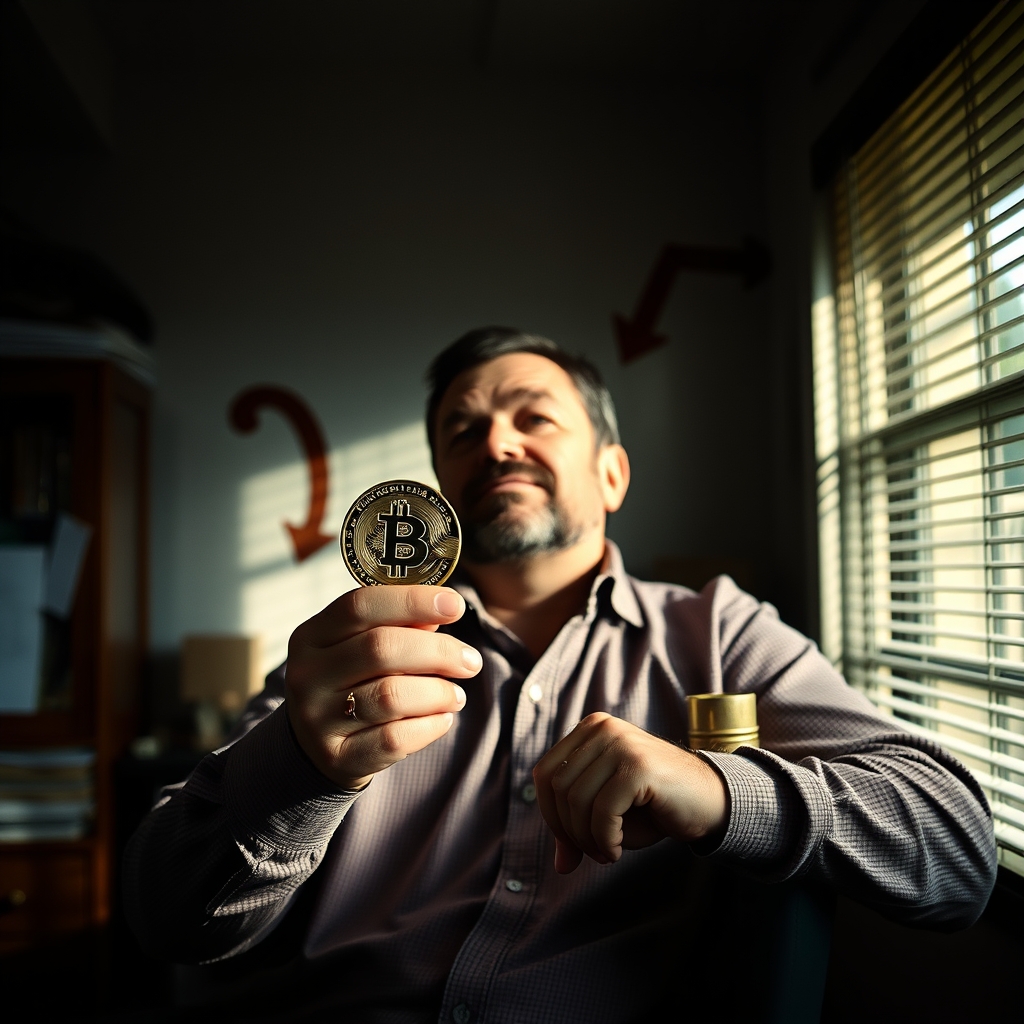
Tron Founder Justin Sun Pushes for Sanctions on World Liberty Over Hidden UAE Links
Tron founder Justin Sun sues World Liberty Financial, demanding sanctions over undisclosed UAE ties and $45 million in WLFI tokens.

Justin Sun, the founder of the Tron blockchain, has taken a legal step that could bring government penalties to a financial firm he says kept a key relationship secret. The move centers on a $45 million token issuance that Sun claims was sold under false pretenses.
What happened
According to CoinDesk: Bitcoin, Ethereum, Crypto News and Price Data, Sun filed a lawsuit accusing World Liberty Financial (WLF) of failing to disclose its ties to the United Arab Emirates for several months after the dispute began. Sun alleges the firm is linked to former President Donald Trump’s network, and that the undisclosed connection influenced the sale of WLFI tokens worth roughly $45 million. In the filing, Sun asks a U.S. court to impose sanctions on WLF, a request that would trigger official restrictions such as asset freezes and bans on doing business with U.S. persons.
Why it works that way
In the crypto world, tokens like WLFI are often marketed as investment opportunities. When a company sells tokens, it must provide material information that could affect a buyer’s decision—similar to a prospectus for a traditional security. If a seller hides a relationship that might be viewed as a conflict of interest, regulators and courts can deem that omission a breach of disclosure rules. Sanctions are a tool the U.S. Treasury’s Office of Foreign Assets Control (OFAC) uses to punish entities that threaten national security or foreign policy objectives. A court‑ordered sanction would effectively place WLF on a blacklist, preventing U.S. banks from processing its transactions and barring American investors from dealing with it. The legal basis for Sun’s request rests on two ideas: first, that nondisclosure misled token purchasers; second, that the hidden UAE connection could expose the U.S. financial system to foreign influence, especially given the firm’s alleged Trump ties.
What changes because of it
If a judge grants Sun’s sanction request, the immediate effect will be a practical shutdown of WLF’s ability to move money through U.S. channels. Existing token holders may find it harder to liquidate their WLFI positions, and any future fundraising by WLF would likely stall. For Sun and the Tron community, the sanction could serve as a warning that partners must be transparent about foreign affiliations, especially when those partners have political connections that attract scrutiny. The broader crypto market may see heightened diligence from projects that engage third‑party financial services, as investors look for clearer compliance signals.
The trade‑off here is between enforcing strict disclosure standards and potentially chilling legitimate cross‑border collaborations. Sanctions are a blunt instrument; they punish the firm as a whole, not just the individuals who may have concealed information. In practice this usually means that any unrelated business lines of WLF could be collateral damage, and the UAE‑based entities that actually provided services might suffer reputational harm without a formal finding of wrongdoing. What we would watch next is whether OFAC or another agency steps in independently, and whether other crypto projects adjust their vetting processes for financial partners. If the case proceeds to a full trial, the court’s interpretation of what constitutes a “material” foreign relationship could set a precedent for future token offerings. Conversely, if the sanction request stalls, the episode may simply reinforce the need for better contractual disclosure rather than trigger sweeping regulatory action.