Altcoins surge as Bitcoin steadies near $84,000
Bitcoin hovers around $84k while most altcoins climb, highlighting a classic rotation from Bitcoin to riskier bets as funding costs rise.
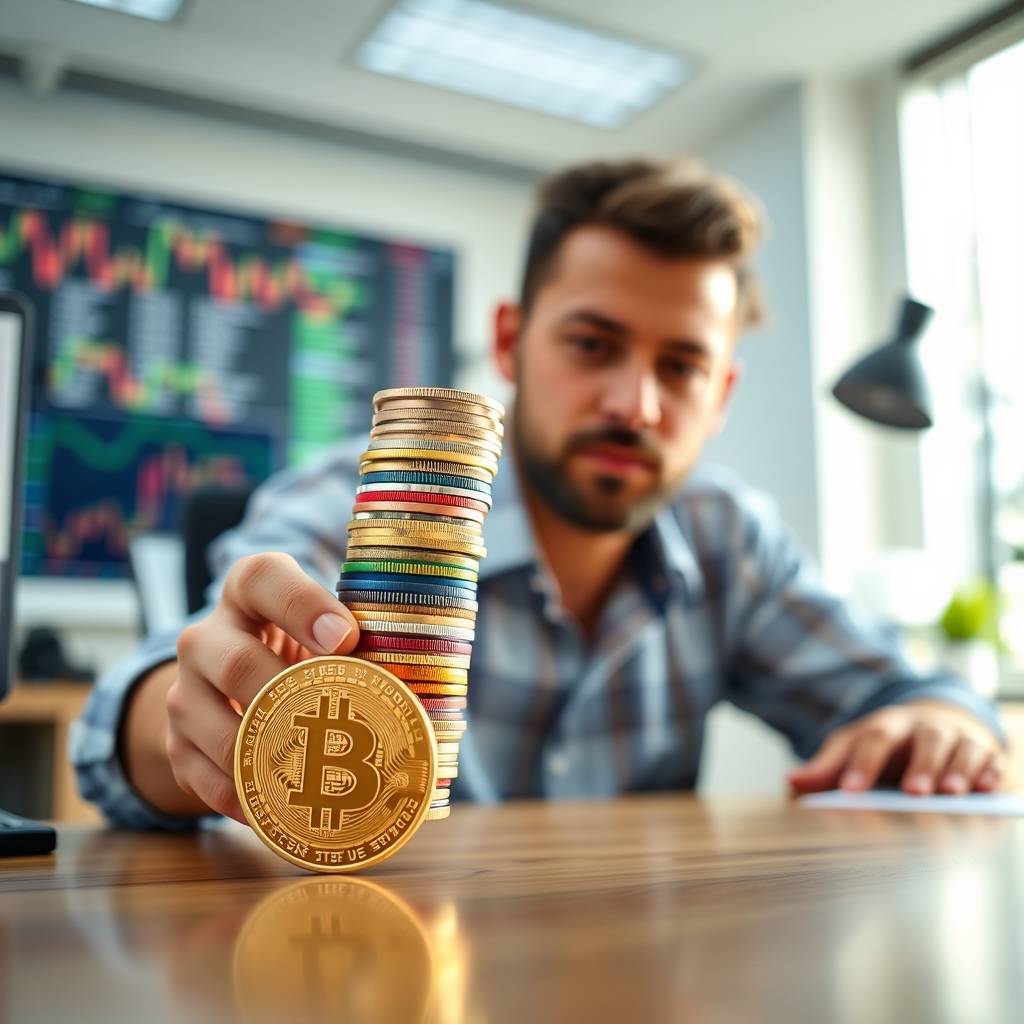
According to CoinDesk: Bitcoin, Ethereum, Crypto News and Price Data, Bitcoin is trading at $84,342, little changed since midnight UTC, while 93 of the 100 CoinDesk 100 constituents are higher over the past 24 hours. The broader market is pulling ahead, with the CoinDesk 80 index up 4.7% versus the CoinDesk 5’s 1.0%.
What happened
Bitcoin’s price rose from below $63,000 in August to a peak of almost $87,000 on Tuesday before flattening near $84,000. In the same period, altcoins have been climbing across the board. The CoinDesk Computing Index, led by Chainlink (LINK) at $14.05, Internet Computer (ICP) and Bittensor (TAO), jumped 9.5% in 24 hours, while the DeFi Select Index rose 8.7%. Overall, 93 % of the top 100 tokens posted gains, and the CoinDesk 80 index outperformed the broader market by a wide margin. The movement follows a familiar pattern: after Bitcoin makes a strong run and stalls, capital drifts into more speculative assets.
Why it works that way
When Bitcoin spikes, many traders open leveraged long positions—bets that the price will keep climbing. Those positions incur a funding fee, a periodic payment that balances the cost of holding a leveraged contract. As Bitcoin’s price plateaus, funding rates often turn positive, meaning long‑side traders pay short‑side traders to keep the contract open. The higher the funding cost, the more expensive it becomes to stay in a Bitcoin‑only position. Traders, therefore, look for cheaper risk elsewhere. Altcoins typically have lower funding rates and higher upside potential, so capital rotates into them. This rotation is amplified by the “altcoin season” metric, which climbed to 56 out of 100, its highest in over three months, signalling broader market sentiment that risk‑on bets are favored.
What changes because of it
The immediate effect is a widening performance gap between Bitcoin and the rest of the market. Projects like Chainlink, Internet Computer and Bittensor see price appreciation that can translate into higher market caps and more media attention, which in turn may attract new investors. Traders who shift into altcoins benefit from the price lift, but they also inherit greater volatility; altcoins can swing dramatically on news or sentiment shifts.
Bitcoin holders who were hoping for a continued rally may feel impatient, as the price steadies without a clear breakout direction. Their opportunity cost rises because funds parked in Bitcoin could have earned higher returns in the altcoin arena. On the other hand, the stability in Bitcoin reduces the risk of a sharp correction that could spill over into the rest of the market.
The macro backdrop adds another layer. A softer dollar index, higher European equities and a modest dip in Brent crude suggest a slightly more supportive environment for risk assets. Meanwhile, the recent $351.6 million hack at Bitget has been contained, with a $464 million user protection fund covering the loss, but withdrawal suspensions remind participants that security remains a concern.
Looking ahead, a few signals will shape whether the altcoin rally sustains. First, Bitcoin’s funding rates: if they stay elevated, the incentive to stay out of Bitcoin grows, keeping altcoin demand high. Second, any fresh macro shock—such as a sudden change in oil prices or a shift in U.S.–Iran negotiations over the Strait of Hormuz—could swing sentiment back toward safety, pulling money into Bitcoin or even fiat. Third, developments in regulated stablecoin use in APAC could bring new liquidity into the crypto ecosystem, indirectly supporting altcoin markets.
In practice, the trade‑off is clear: chasing higher short‑term gains in altcoins comes with the price of higher volatility and exposure to security incidents, while staying in Bitcoin offers relative price stability but lower upside when the market is risk‑on. For casual holders who are not active traders, the rally may not materially affect their portfolios unless they rebalance. Active participants should watch funding rates, Bitcoin’s price direction, and macro headlines for early signs of a shift back toward Bitcoin or a broader market correction.